



Best Museums for Kids
- Rodrigo Hernandez

- Dec 16, 2025
- 4 min read
Finding the right museum to visit with children can be a challenge. Many museums focus on adult audiences, which can make it hard for kids to stay engaged. But some museums go beyond traditional exhibits to create interactive, fun, and educational experiences designed specifically for young visitors. If you want a day out that sparks curiosity and learning for your children, choosing the best museums for kids is key.
In this post, I’ll share some of the top museums that offer hands-on activities, immersive displays, and kid-friendly environments. These places make learning exciting and keep children entertained from start to finish.
What Makes a Museum Great for Kids?
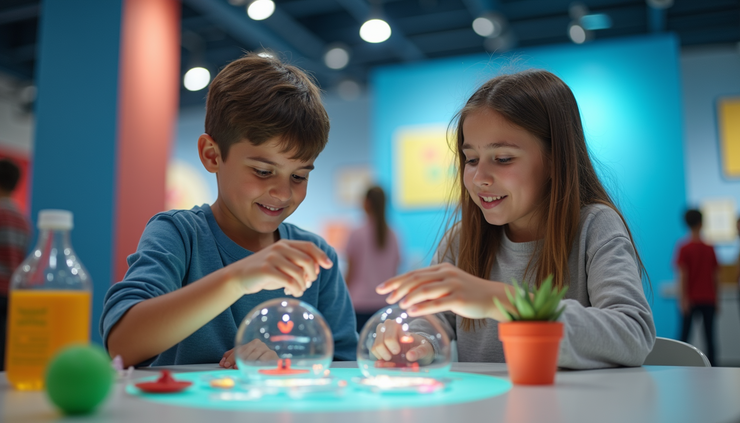
Not all museums are created equal when it comes to young visitors. The best museums for kids share several important features:
Interactive exhibits that invite children to touch, play, and experiment
Age-appropriate content that explains concepts in simple, engaging ways
Hands-on workshops or activities where kids can create or build
Safe and accessible spaces designed with children’s needs in mind
Opportunities for family learning so parents can join in the fun
When a museum combines these elements, it transforms from a quiet gallery into a lively playground for the mind.
Top Museums That Kids Love
Here are some standout museums known for their kid-friendly approach. These places have earned reputations as some of the best museums for kids around the world.
1. The Children’s Museum of Indianapolis, USA
This museum is the largest children’s museum in the world and offers a wide range of exhibits that cover science, history, culture, and art. Kids can explore a dinosaur exhibit with life-sized skeletons, dig for fossils in a simulated archaeological site, or play in a recreated historic neighborhood.
Highlights: Dinosphere exhibit, ScienceWorks hands-on science area, and the Carousel Wishes and Dreams ride
Why kids love it: The museum encourages active exploration and discovery through play
2. Natural History Museum, London, UK
While many natural history museums can feel overwhelming, the London museum has dedicated spaces for children. The Investigate Centre allows kids to handle real specimens and use microscopes. The dinosaur gallery is a favorite, with animatronic models that bring prehistoric creatures to life.
Highlights: Investigate Centre, Hintze Hall with the blue whale skeleton, and interactive digital displays
Why kids love it: Real fossils and interactive science stations make learning hands-on and exciting
3. Exploratorium, San Francisco, USA
The Exploratorium is a science museum designed to engage visitors of all ages, but it shines for kids. Exhibits focus on physics, biology, and perception, with plenty of interactive stations. Children can experiment with light and sound, explore illusions, or build structures.
Highlights: Tactile dome, outdoor science playground, and live demonstrations
Why kids love it: The museum encourages curiosity and experimentation in a playful setting
4. Museo de los Niños, Guatemala City, Guatemala
This museum is built entirely for children, with exhibits that cover science, technology, and culture. Kids can role-play as doctors, firefighters, or chefs in mini interactive environments. The museum also offers workshops and storytelling sessions.
Highlights: Mini city role-play areas, science experiments, and cultural exhibits
Why kids love it: The museum feels like a giant playground where they can try out different roles
5. Ontario Science Centre, Toronto, Canada
The Ontario Science Centre offers a wide variety of interactive exhibits that cover everything from space exploration to human biology. The KidSpark area is specifically designed for children under 8, with water tables, building blocks, and sensory activities.
Highlights: KidSpark, planetarium shows, and live science demonstrations
Why kids love it: The hands-on activities and live shows keep children engaged and excited about science

Tips for Visiting Museums with Kids
To make the most of your visit to any museum, especially the best museums for kids, consider these practical tips:
Plan ahead: Check the museum’s website for family-friendly exhibits, workshops, and any special events on the day of your visit.
Arrive early: Museums tend to be less crowded in the morning, which means more space for kids to explore freely.
Pack snacks and water: Some museums have cafes, but having snacks on hand can prevent hunger-related meltdowns.
Set a time limit: Kids can get tired or overwhelmed, so plan for shorter visits with breaks.
Encourage questions: Use the exhibits as a chance to spark curiosity and conversation.
Bring a stroller or carrier: For younger children, this helps when little legs get tired.
How Museums Help Kids Learn and Grow
Visiting museums is more than just fun. It supports children’s development in many ways:
Critical thinking: Interactive exhibits encourage kids to ask questions and solve problems.
Creativity: Hands-on activities inspire imagination and new ideas.
Social skills: Group workshops and family visits promote communication and cooperation.
Cultural awareness: Museums expose children to different histories, traditions, and perspectives.
Love of learning: Positive experiences at museums can build a lifelong interest in science, art, and history.
Choosing the best museums for kids means giving children a chance to learn through play and exploration, which is one of the most effective ways to absorb new information.
Final Thoughts on Choosing the Best Museums for Kids
When planning a trip or a local outing, look for museums that offer interactive, engaging experiences tailored to children. The best museums for kids provide safe, fun environments where learning happens naturally through hands-on activities and exploration. Whether your child loves dinosaurs, science experiments, or creative play, there’s a museum out there that will capture their imagination.
Next time you want to plan a family day out, consider one of these museums or look for similar ones in your area. Your kids will thank you for the adventure and the chance to discover something new.


Comments